
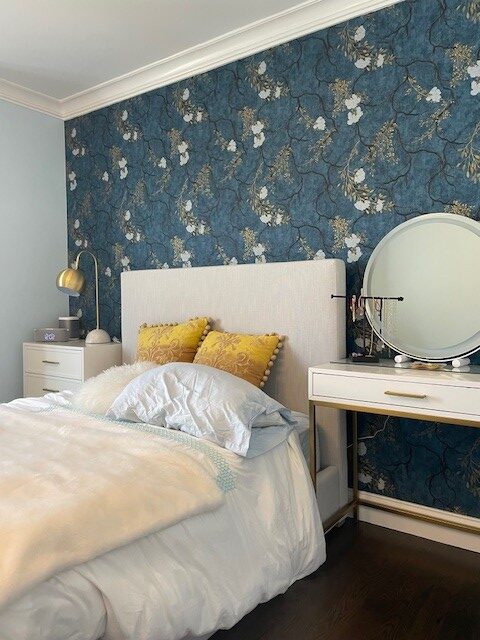
The idea of “modern” has shifted. In Westchester, it no longer means stark minimalism or trend chasing, it means homes that anticipate how we live next, not just how we live now.
When Modern Became Predictive, Not Performative
For years, modern interiors were defined by what you could see. Clean lines. Neutral palettes. Aesthetic restraint. In 2026, modern design is defined by what you can feel before you notice it. Ease. Flow. Intuition.
We see this shift clearly across Westchester. Homes are no longer being designed as static showcases. They are being shaped as adaptive environments, spaces that respond to changing family rhythms, hybrid work patterns, and a deeper desire for calm.
As a Westchester, NY, interior designer, our role has quietly evolved. We are no longer simply styling rooms. We are architecting daily experiences, often anticipating needs our clients have not yet articulated.
Modern now means foresight.
Westchester Homes as Living Systems
Westchester homes have a unique complexity. They balance suburban scale with metropolitan expectations. Many homes carry architectural history, yet families want them to function with contemporary precision.
We approach each home as a system rather than a collection of rooms. Sightlines matter. Transitions matter. Storage, lighting, acoustics, and material durability all interact.
A kitchen, for example, is no longer a single-use zone. It is a social hub, a remote office backdrop, a homework station, and often a quiet evening retreat. Designing it requires understanding how mornings differ from evenings, weekdays from weekends, seasons from one another.
This systems-based thinking is what separates surface-level updates from true modernization.
Material Intelligence Over Visual Noise
In 2026, modern interiors are moving away from visual excess. Not because restraint is fashionable, but because overstimulation is exhausting.
We see a strong pivot toward material intelligence. Clients are asking better questions. How does this fabric age. How does this stone wear. Will this finish still feel good in five years.
In Westchester homes, this often means pairing tactile materials with subtle contrast. Warm woods against soft plaster walls. Natural stone with refined veining rather than bold patterning. Upholstery that feels generous without feeling precious.
Modern interiors are becoming quieter, but also richer. Luxury is no longer loud.
Designing for Real Life, Not Just Resale
There was a time when interior design decisions were heavily driven by resale value. While market awareness still matters, 2026 has brought a noticeable recalibration.
Families want homes that work for them now. Mudrooms that actually hold winter gear. Built-ins that adapt as children grow. Guest rooms that double as wellness spaces or focused work zones.
As a Westchester, NY, interior designer, we often guide clients away from rigid formulas. A home optimized for a hypothetical buyer often underperforms for its actual occupants.
Modern design today respects longevity, but it prioritizes lived experience. When homes are deeply functional and emotionally resonant, their value tends to follow naturally.
Technology That Disappears Into Design
The most forward-thinking homes in Westchester are technologically sophisticated, yet visually calm. This is intentional.
Lighting systems adjust subtly throughout the day. Climate controls respond to usage patterns rather than static schedules. Sound systems integrate seamlessly, never dominating a space.
What excites us most about 2026 is not the technology itself, but its invisibility. When design is done well, technology supports life without announcing itself.
This is where modern interiors quietly edge into the future. The home becomes responsive, but never distracting.
The New Definition of Luxury in 2026
Luxury has been redefined. It is no longer about excess square footage or imported finishes alone. It is about precision.
Luxury is walking through your home and feeling that nothing is accidental. That storage exists exactly where you need it. That lighting flatters the room at every hour. That materials feel comforting rather than demanding.
In Westchester, luxury has become deeply personal. Two homes of similar size and value may feel entirely different based on how thoughtfully they are designed.
This is where the role of a Westchester, NY, interior designer becomes less transactional and more strategic. Design decisions ripple outward, influencing how families move, gather, and rest.
What It Means to Work With a Westchester, NY, Interior Designer
Modern interior design in 2026 is not about imposing a signature look. It is about translating lifestyle into form.
We spend time listening before drawing. Understanding how clients use their homes, what frustrates them, what they love, and what they have outgrown. From there, design becomes a framework, not a prescription.
Westchester homes demand this nuance. They sit at the intersection of tradition and progress. The best interiors respect both.
When done well, modern design does not shout innovation. It simply feels inevitable.
Reflect: Tomorrow Is Already Here
Modern interiors are no longer speculative. They are practical, responsive, and deeply human.
In Westchester, the homes that feel most current are not chasing trends. They are quietly ahead of them. Designed with foresight. Grounded in material intelligence. Aligned with how people actually live.
Tomorrow is not coming. It has already moved in.
FAQs
What defines a modern interior in 2026?
Modern interiors in 2026 prioritize functionality, adaptability, and emotional comfort. The focus has shifted from visual minimalism to predictive design that supports daily life seamlessly.
How does a Westchester home influence interior design decisions?
Westchester homes often blend architectural heritage with contemporary expectations. Design must respect scale, climate, and lifestyle while modernizing functionality.
Why is material selection more important than trends?
Materials determine how a home ages. Thoughtful choices ensure longevity, comfort, and reduced maintenance, all key elements of modern living.
How does technology fit into modern interiors today?
Technology is integrated discreetly. The goal is to enhance comfort and efficiency without visual disruption.
What role does a Westchester, NY, interior designer play in modernization?
A Westchester, NY, interior designer interprets lifestyle needs, anticipates future use, and creates interiors that evolve gracefully over time.
Is modern design suitable for traditional Westchester homes?
Absolutely. Modern design enhances traditional homes by improving flow, functionality, and comfort while respecting original architectural character.